08 September 2025

Copyright Law and AI-Generated Deepfakes

 | By admin

As artificial intelligence (AI) tools become more powerful and widely available, their misuse has sparked global concern. While AI brings undeniable benefits across industries, governments are still struggling to legislate for its acceptable and unacceptable uses. One of the most pressing areas of concern is the creation and distribution of AI-generated fake images and videos, commonly known as deepfakes.

What are Deepfakes and why are they problematic?

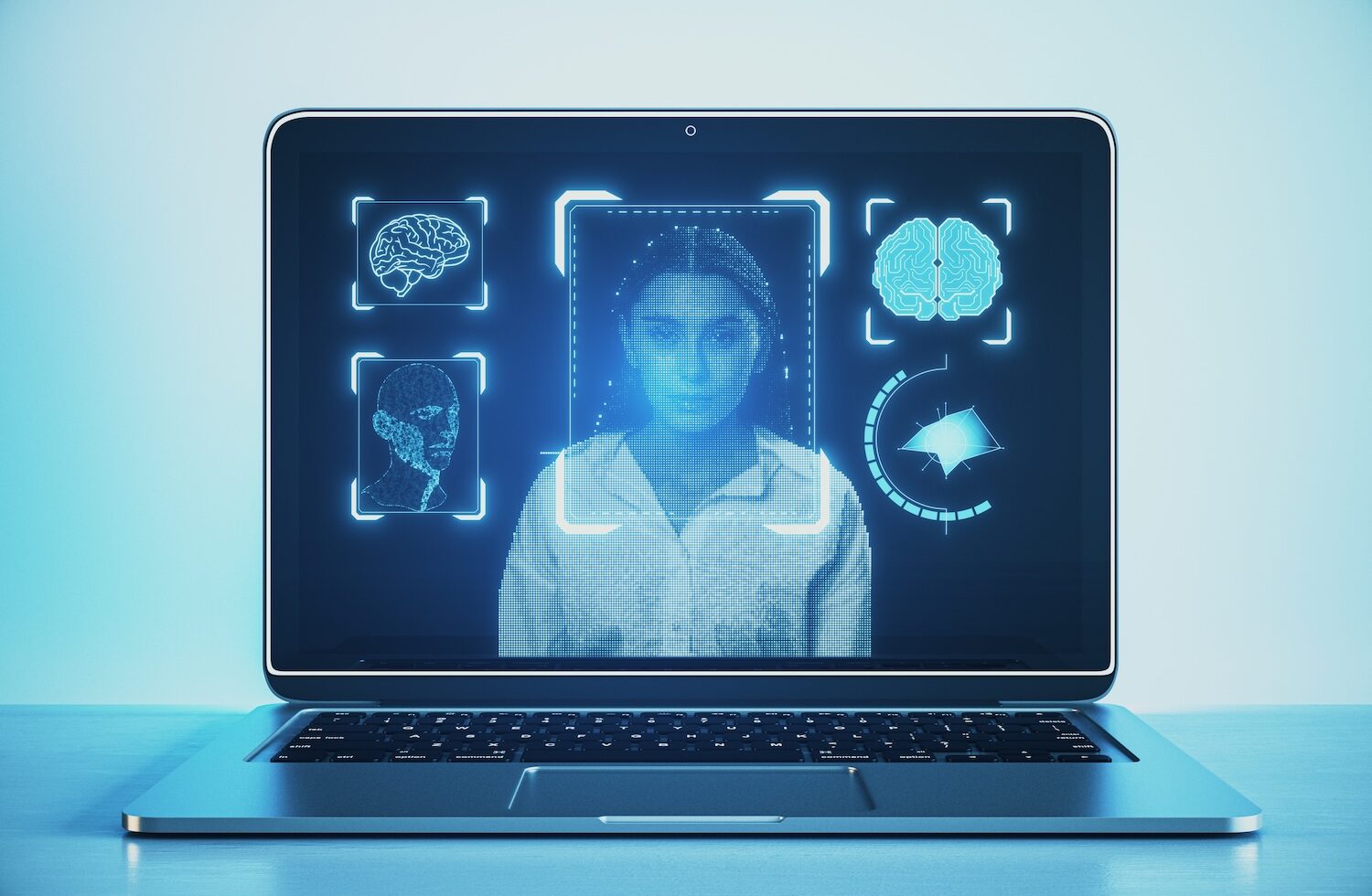
Deepfakes are AI-generated images, videos, or audio clips that convincingly mimic real people. Using machine learning models, these tools can clone facial features, voices, and even gestures. While some deepfakes are created for harmless entertainment or satire, others have been weaponised to mislead the public, harass individuals, or generate financial gain.

Examples include the circulation of fabricated images such as:

Even when such content is quickly identified as fake, it can spread rapidly online, racking up views and generating advertising revenue for the platforms hosting it. The harm is not just financial, as it can also cause reputational damage, distress to individuals, and erosion of public trust in digital media.

Denmark’s proposed legal response

In a pioneering move, the Danish government has proposed updates to its Copyright Law aimed specifically at deepfakes. The new framework would grant individuals copyright protection over their own body, face, and voice.

This means that if any of these personal identifiers are used in an unauthorised deepfake, the person depicted could take legal action against the creator and/or distributor of the content. Crucially, it also gives individuals the right to demand the removal of offending material if it was published without their consent.

If adopted, this law would empower citizens to better control how they are represented in the digital world. It also signals a shift towards treating one’s likeness and voice as intellectual property, considered a significant legal development.

Freedom of expression vs. protection of identity

A potential sticking point for Denmark’s proposal, and similar legislation elsewhere, lies in the tension between freedom of expression and protection of identity.

  • Satire and parody: Historically, these have enjoyed strong protections under copyright law and free speech frameworks, particularly in democracies. Restrictive deepfake laws could unintentionally curb legitimate political commentary or comedic expression.

  • Consent vs. creativity: While harmful deepfakes need to be tackled, not all AI-generated imitations are malicious. Striking the right balance will likely require nuanced legal definitions and exemptions.

The first court cases under any new legislation will be pivotal in determining how such conflicts are resolved in practice.

A global trend in regulating Deepfakes

Denmark is not alone in its concerns. Other countries and regions are also moving towards tighter regulation of AI-generated content:

  • The European Union’s AI Act includes provisions addressing deepfakes, requiring clear labelling of synthetic media (European Parliament).

  • In the United States, some states such as Texas and California have passed laws restricting deepfake use in election campaigns and non-consensual pornography (Brookings Institution).

  • In China, strict regulations mandate that AI-generated media must include visible watermarks and cannot be used to spread false information (Reuters).

Denmark’s approach is unique in framing protection under copyright law rather than purely through media or criminal law. If successful, it could serve as a model for other nations seeking to safeguard their citizens.

The future of Deepfake laws

Deepfakes are a striking example of how technology can outpace legislation, creating new risks that existing laws were never designed to address. Denmark’s proposed copyright reform represents an innovative step towards giving individuals more control over their likeness in the digital space.

Yet, significant challenges remain. Courts will need to balance personal protection against fundamental freedoms such as satire and free expression. Other governments will be watching closely as Denmark tests this novel approach.

If you have any questions, or require professional support form our team of experts, please get in touch today.
26 November 2024

Can AI-Generated Art be Copyrighted?

 | By admin

In recent years, AI tools, applications, and uses have surpassed the traditional boundaries of creativity. Not only has AI enabled rapid innovation in fields such as healthcare and finance, but it has also reimagined the way humans consume, create and interact with art, music, or design. 

This being said, AI-generated art has seemingly raised new ethical and legal questions regarding authorship, originality, and intellectual property. In this blog, we’ll explore the notion of AI art copyright, the potential for legal protection, whether AI art can be commercially sold, and UK-specific guidelines.  

Where did AI art come from? 

Undoubtedly, AI art rose to popularity in recent years; however, one of the first examples of this practice dates back to the 1960s with Harold Cohen’s AARON computer program which used algorithms to generate abstract compositions, drawings and paintings. 

Since then, the capabilities of AI tools and applications have progressed immensely. AI systems such as DALL-E, Midjourney, and Stable Diffusion are currently pioneering this new wave of AI art. By leveraging human-led prompts, instructions, and creative directions, these models utilise a vast dataset of images to produce new visual content and digital art.  

What counts as AI-generated Art?

By definition, AI art encompasses any form of art, including visual, audio, or musical content that is created or enhanced with AI tools. Starting with a simple idea, AI algorithms can create complex artworks that mimic the creative processes of humans.  

Who is the owner of an AI art piece?

The debate of whether you can sell AI art or not begins with a question of ownership. Currently, AI models are not recognised as legal entities, and, therefore, they cannot hold any legal rights. However, who owns the rights to computer-generated artwork? Is it: 

  • The creator of the software? 
  • The user of the software who inputs the creative prompts? 
  • The individuals(s) who own the rights to the original image elements used when creating the new artwork. 

As the true ownership rights to AI-generated artwork are still unclear, legal disputes in this area are equally confusing. In essence, the claim to AI artworks remains in a state of ambiguity. 

Can you sell AI art commercially?

The question remains, can you sell AI art commercially? The answer depends on the policies set out in the software’s terms and conditions. Let’s consider one of the most popular AI tools, DALL-E2. 

When creating AI artwork through DALL-E2, individuals… 

  • Own all of the prompts and uploads that are input into DALL-E
  • Are assigned the full rights to use, re-sell, and commercialise the images they generate. 
  • May utilise AI-generated images for any business purposes, as long as it does not violate OpenAI’s content policy. 

These terms and conditions apply to all images created with DALL-E2, regardless of whether the user created the images for free or used paid credits.  

What copyright laws are used for AI art?

Copyright laws for AI vary in accordance with national legislation. In the UK, the Copyright, Designs and Patents Act 1988 (“CDPA”) states that computer-generated artwork can indeed benefit from copyright protection. 

More specifically, the CDPA argues that the “author” of computer-generated art is the person who made the necessary arrangements to create the artwork i.e. the creator or provider of the prompts. Nonetheless, human involvement is necessary for copyright protection to apply. 
Although there is some semblance of a legal framework for AI patentability in the UK, the evolution of AI art copyright continues to evolve. Legal disputes in this grey area must be judged individually and creators of AI-artwork must carefully assess potential liabilities.

If you have an original design that needs legal protection, contact us today to speak to a copyright professional.

17 January 2024

Original Mickey Mouse Enters Public Domain

 | By admin

Disney’s copyright has expired – is their Mickey Mouse character now free for anyone to use?

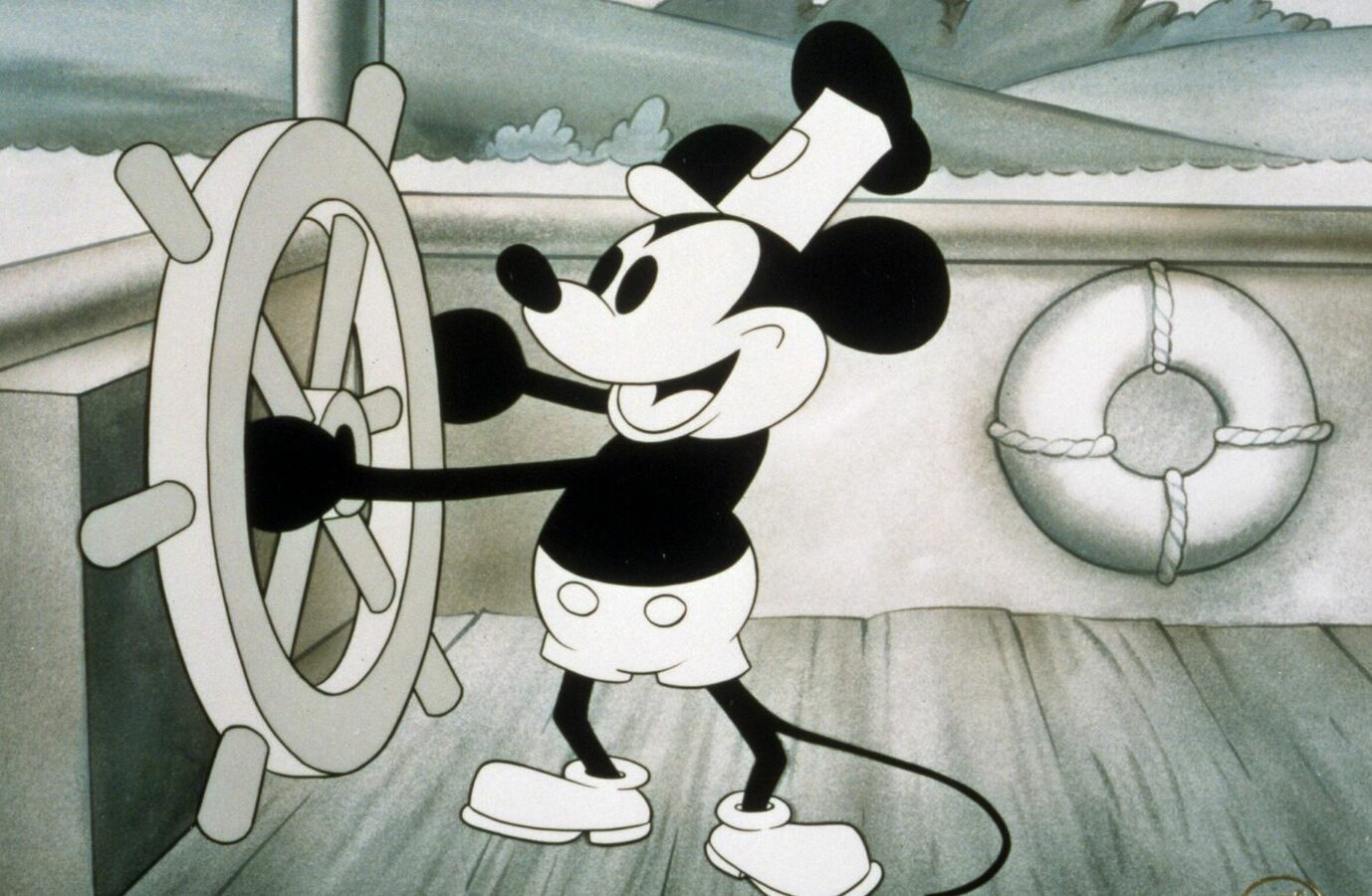
The short answer to this is no.  Although it is true that copyright protection in the USA for the original Mickey Mouse character shown in the first Mickey Mouse cartoons, such as Steamboat Willie etc. has expired, there are other forms of intellectual property protection that apply to Mickey Mouse and Disney’s characters and stories in general.  

Copyright protection is a right which subsists automatically in an original work.  An original work is essentially a literary, dramatic or artistic work that has not been copied from another work.  For the duration that the copyright subsists the proprietor has the right to take legal action against another party that copies all, or a substantial part, of that original work.  Different countries protect original copyright works for a specific period of time and in this example the copyright was extended by the US Government for several terms.  Finally, protection expired on 1st January 2024 for the ‘Steamboat Willie’ version of Mickey Mouse.  

Other forms of intellectual property protection still subsist in the Mickey Mouse brand.  For example, Trade Marks protect signs or words that can be used to indicate the origin of goods and services and when registered can last indefinitely, usually providing that the mark itself is being used and the renewal fees are paid.  

What versions of Mickey Mouse can be used?

In the current situation this means that the public are free to use the original version of the famous mouse as depicted in Steamboat Willie; but this certainly does not mean there is a free-for-all in the use of the Mickey Mouse character or name.  It is also important to note that the expiry of this copyright applies only in the USA, as copyright is a national right and therefore the ‘Steamboat Willie’ Mickey Mouse version may still be protected by copyright in other countries.  

There appears to be at least a handful of people who are prepared to attempt to capitalise on the expiry of the copyright.  A trailer for a seemingly low budget horror film was released on the very date that Disney’s copyright expired.  The proposed film is called Mickey’s Mouse Trap and is set as a horror comedy thriller.  Whilst the depiction of the mouse appears faithful to the Steamboat Willie version, the use of the words ‘Mickey’ and ‘Mouse’ in relation to movies could well be considered to infringe Disney’s trade marks in the word Mickey Mouse.  The film does not have confirmed release date and it would be surprising if Disney allowed the use of words similar to their registered trade marks to go without challenge.  

If Disney were to challenge the use of the words Mickey’s Mouse Trap in the film, could they use their trade mark registrations?  The short answer to this is yes.  Registered trade marks give the owners the right to challenge the use of the mark, or similar marks, in respect of identical or similar goods and services to which it is registered.  For trade marks that have a reputation or are famous marks there is additional protection available that extends beyond similar goods and services.