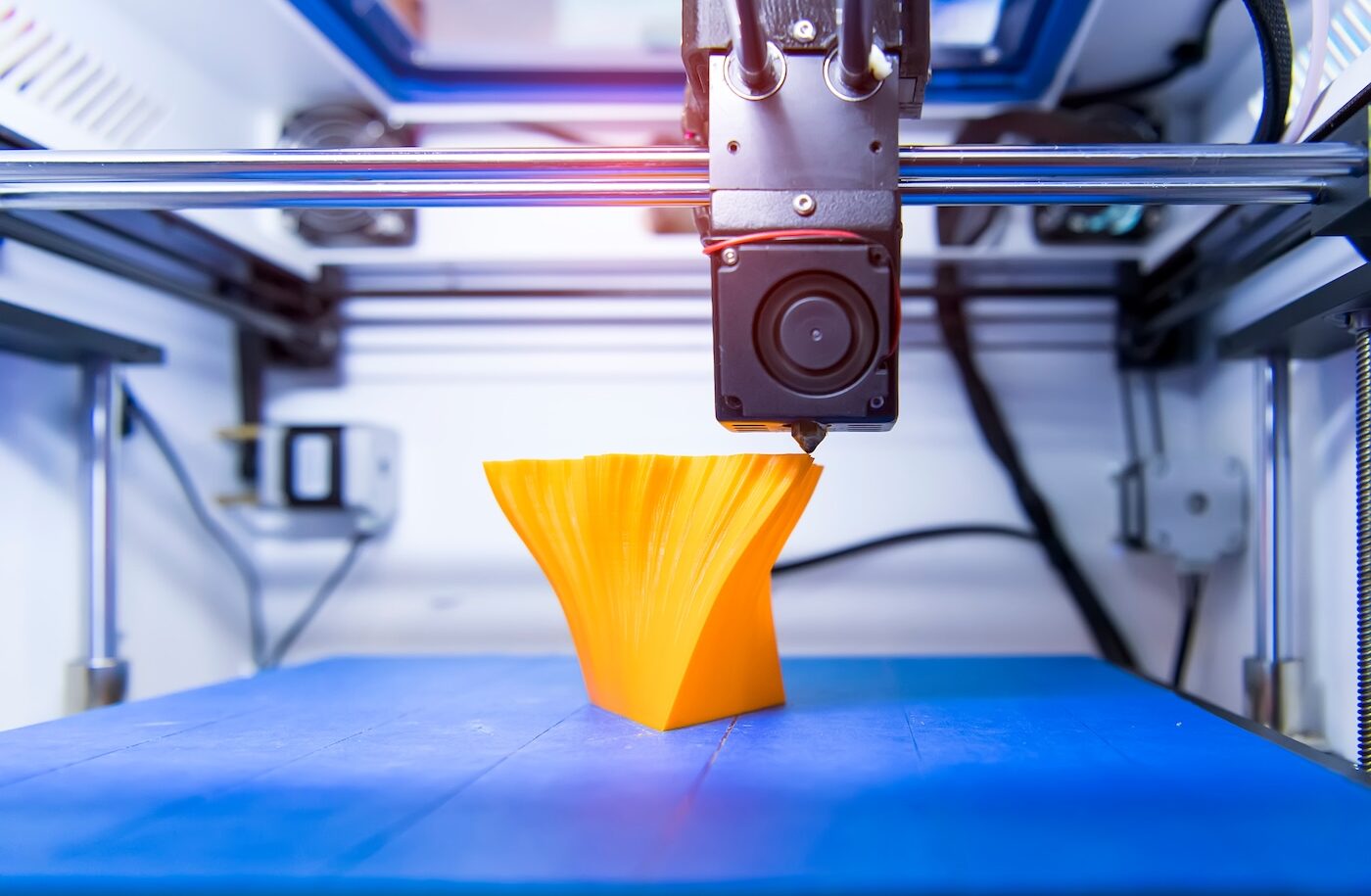
As 3D printing technology becomes more sophisticated, widespread and affordable, the issues around 3D printing and IP protection are becoming increasingly significant too.
Historically, large scale manufacturing processes were protected to an extent by the very high costs involved in tooling and prototyping a new product, which made it expensive for infringing imitations to be created and production could be stopped at source if infringing manufacturers were identified.
With the growing availability of 3D scanners and the creation of online libraries of self-made 3D printer patterns, it’s much easier to replicate a product at home, typically using layers of plastic or metal filament, and a rapidly growing variety of other materials.
The issues surrounding IP infringement and 3D printing continue to grow as more materials become available, including devices capable of printing using liquids, metals, edible ingredients, and full-colour composite.
Can you patent 3D printed products?
All of this raises the question of how to respond to this growing 3D printing patent challenge from businesses and consumers alike.
There are several different angles of approach to the subject: for example, manufacturers who use additive printing in their own factories might want to obtain a patent to protect those 3D printed products.
Existing legislation applies equally to 3D printing products and processes as it does to commercial products manufactured using any other conventional techniques:
- Copyright protects the original work and the right of reproduction
- Industrial or registered design rights protect the shape and form of the product
- Patents protect the new and non-obvious features of the product or process
- 3D trademarks protect the form of the product, providing the shape of the product is distinctive enough to indicate trade origin
In principle, there is no reason why these protections do not apply equally to an object created via layered filament printing, as they do to any other manufacturing method.
How to protect your product from unauthorised 3D printing
Another risk for manufacturers is that a competitor or private individual might create a 3D scan, or other virtual 3D model, of a commercial product such that it can be produced using a 3D printer without permission from the IP rights holder.
Existing laws already apply to issues of 3D printing IP protection. For example, national patent laws prohibit third parties from supplying (or offering to supply) a patent protected product or the means to use an invention, without authorisation.
It has been shown that 3D printer patterns and digital 3D models of a commercial product (or component part) fall within the scope of this existing legislation, by providing an essential element of a patented product.
Although it may therefore be possible to take infringers to task if an infringing filament-printed product or digital 3D model is discovered, it is important to ensure that the wording of any patent claim, or the scope of any other IP protection covers the product or model.
3D Printing trends and news
Rapidly evolving technology can creates new difficulties for patents, designs, trademarks and copyright protection in any field, and the current 3D printing patent IP challenge has emerged over a relatively short period of time.
Some key trends to watch in this area include:
- Low-cost, high performance, domestic 3D printers shift the emphasis from infringing physical products to the illegal distribution of infringing digital files for use at home.
- The ability to print a wide range of materials mean 3D printing IP protection is no longer limited to plastic products, but can include metals, foods and composite materials including even liquids.
By working with an experienced team of IP advisors, you can ensure that the 3D printing advice you receive is up to date, taking into account any emerging trends in the technology and in the legal landscape surrounding it.
Looking ahead to the future of 3D printing IP
This is an area that is only going to continue to become more complex and affect an ever-growing number of manufacturers and rights-holders of all sizes.
As 3D scanners and printers become more sophisticated, and AI becomes more capable of creating usable output, it’s likely that many more commercial products will be infringed upon by the publication of digital patterns, which can in turn be used to produce a physical replica of the product in high volume at home.
By seeking advice in this area now from professionals with the specific experience and expertise required, you can make certain that you take any appropriate pre-emptive measures to protect your products using patents, designs and trademarks, and to ensure that your IP coverage is as broad as it can be under the relevant legislation.